In the competitive world of property flipping, having the right tools and financing options is paramount for homeowners and renovators aiming to maximize renovation efficiency, minimize costs, and ultimately increase property value. This comprehensive guide dives deep into the essential tools every home renovator needs, highlights financing pathways tailored for flippers, and explains how the strategic use of both can streamline your projects and boost your return on investment.
Flipping store is dedicated to empowering flippers with curated listings and practical resources—including valuation calculators and renovation playbooks—that accelerate profitable flips. Alongside our marketplace, this guide complements your journey with actionable advice on toolbox essentials, financing options, and contractor sourcing. For more on expertly sourcing reliable contractors and materials, see our complete guide to contractor sourcing.
1. The Foundation: Essential Physical Tools for Home Renovation
The physical tools you equip your toolbox with are the backbone of any renovation. Their quality and appropriateness determine the efficiency of your work and the finish quality of upgrading property features.
1.1 Basic Hand Tools for Renovations
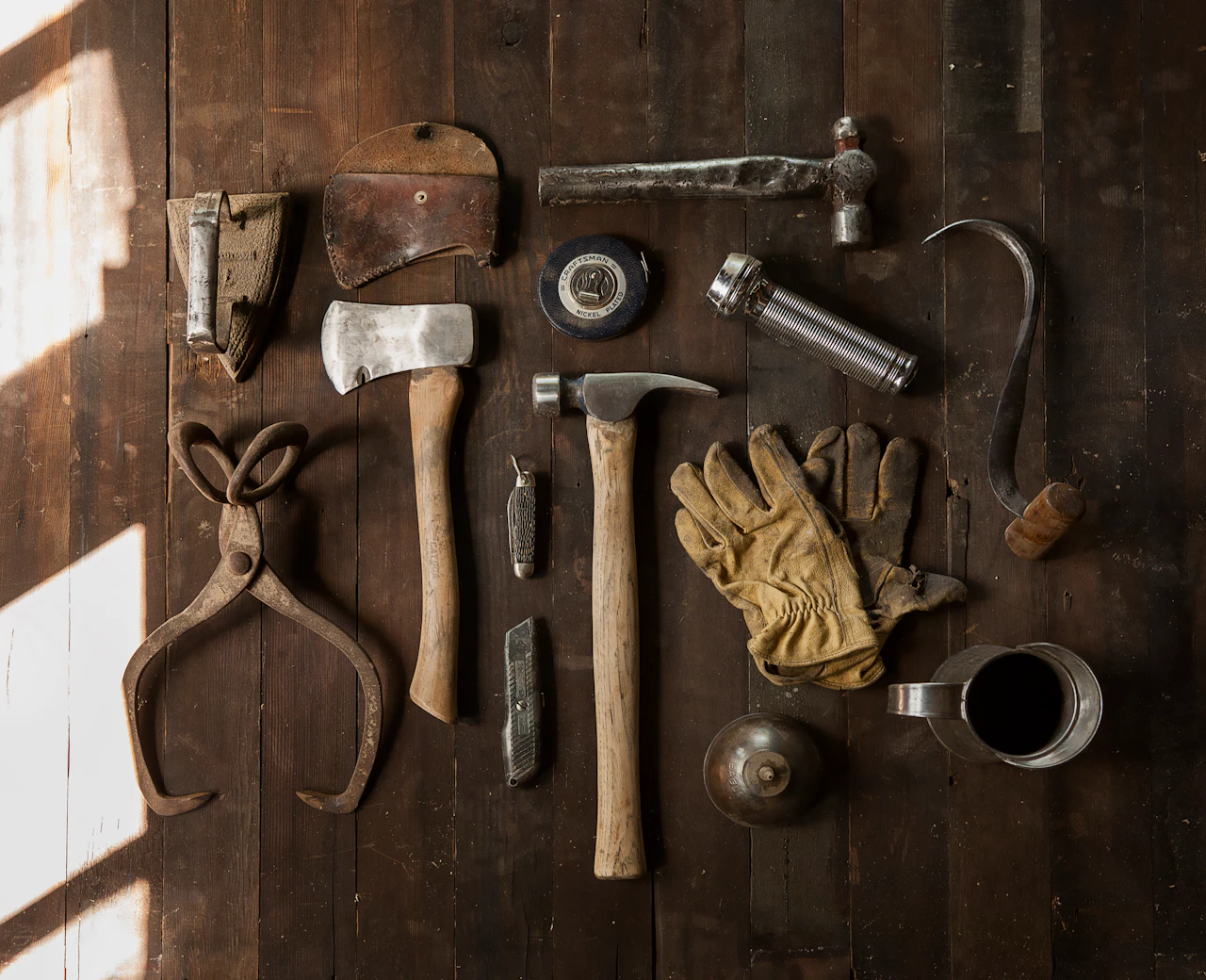
Every renovator should start with high-quality basic hand tools—hammer, screwdrivers (both Phillips and flathead), tape measure, utility knife, adjustable wrench, pliers, and a carpenter’s square. These are indispensable for small repairs, framing, drywall work, and more.
1.2 Power Tools to Save Time and Improve Precision
Power tools such as a cordless drill with an assortment of drill bits, circular saw, oscillating multi-tool, and an electric sander dramatically accelerate renovation timelines. For example, a good cordless drill not only helps in assembling furniture but also in fastening drywall and cabinetry installation.
In-depth insights about balancing investment costs with DIY efficiency can be found in DIY vs Hiring Contractors: Cost Analysis.
1.3 Specialized Tools for Specific Renovations
Renovations involving plumbing or electrical work require specialized tools such as a pipe wrench, voltage tester, and wire strippers. Using the right tool protects both the renovator and the property while ensuring regulatory compliance. Discover more about regulatory considerations in our article on Home Renovation Compliance Checklist.
2. Digital Tools and Technology Transforming Home Flipping
Technology has revolutionized flipping. Digital tools today enable flippers to plan better, price more accurately, and market their properties effectively.
2.1 Valuation and Estimation Software
Accurately estimating After Repair Value (ARV) and renovation costs is critical. Using home valuation tools combined with estimation software drastically reduces guesswork and financial risk. ARV Estimation Strategies offers advanced methods and tool recommendations aligned with industry best practices.
2.2 Project Management and Collaboration Platforms
Managing timelines, budgets, and communication with contractors is easier with software like Trello, Asana, or dedicated renovations apps integrated with cloud storage. These digital tools improve accountability and keep projects on track, essential to minimizing holding costs.
2.3 Marketplace and Listing Platforms
Leveraging specialized buying and selling marketplaces such as flipping.store expedites deal flow. These platforms reduce the friction in sourcing undervalued properties and selling renovated homes efficiently. You can explore our detailed review of Best Real Estate Marketplaces for Flippers to find your ideal marketplace partner.
3. Financing Options: Fueling Your Renovation and Flip
Finding the right financial vehicle to fund your renovation can be as important as choosing the right tools. Flips often require quick, flexible funding to capitalize on time-sensitive deals.
3.1 Traditional Mortgages vs Renovation Loans
While conventional mortgages are common for purchase, they may lack flexibility to include renovation costs upfront. Renovation loans such as FHA 203(k) or Fannie Mae HomeStyle loans allow combining purchase and repair financing. Understanding when and how to leverage them is a gamechanger—read our comprehensive coverage at Renovation Loans Explained.
3.2 Hard Money Loans: Fast but Costly Capital
Hard money loans provide rapid funding based on property value rather than creditworthiness, ideal for flippers needing quick turnarounds. However, they carry higher interest rates and fees. Our article Hard Money Loans: Risks and Rewards offers a detailed risk-benefit analysis to inform your decision.
3.3 Home Equity and Personal Lines of Credit
If you own property with equity, Home Equity Lines of Credit (HELOCs) can be a lower-cost method to access renovation funds. Personal lines of credit or credit cards may provide supplementary financing but require cautious management to avoid debt pitfalls.
4. Contractor Sourcing and Management Tools
Building a reliable team of contractors helps ensure your renovations meet timeline and quality expectations—key to maximizing ROI.
4.1 Where to Find Skilled Contractors
Utilize vetted online directories, local trade organizations, and peer referrals. Platforms that facilitate contractor matching and reviews offer transparency—delve into our guide on How to Source Reliable Contractors for practical steps and insider tips.
4.2 Managing Contractor Relationships and Communication
Clear contracts, milestones, and payment schedules prevent disputes. Use digital tools to track work progress, budgets, and inspections. Flipping.store’s renovation playbooks include templates and checklists to streamline this process.
4.3 Negotiation and Value Engineering Techniques
Negotiate scope and cost, exploring materials or methods that preserve quality while reducing expenses. For detailed techniques on maximizing renovation budget efficiency, see Value Engineering Home Renovations.
5. Toolbox Essentials: Creating Your Renovation Command Center
Beyond individual tools, how you organize and maintain your toolbox impacts daily productivity.
5.1 Portable Tool Storage Solutions
Choose durable, compartmentalized chests or rolling tool carts that adapt to various job site needs. They enable quick access to instruments and reduce misplaced items and time waste.
5.2 Safety Gear and First Aid
Protective eyewear, gloves, dust masks, and hard hats are non-negotiable for safe renovation work. Maintaining a stocked first aid kit on-site is essential. Learn more about essential workplace safety protocols in Home Renovation Safety Tips.
5.3 Maintenance and Calibration of Tools
Keep tools clean, sharpen blades regularly, and replace worn parts. Well-maintained tools deliver precise work and longer equipment life.
6. Property Upgrade Tools That Drive Value
Certain upgrades consistently increase resale value more than others. Having the right tools for these tasks streamlines execution.
6.1 Painting and Surface Preparation
Use quality brushes, rollers, paint sprayers, and sanding tools for smooth finishes. A paint sprayer, though initially pricier, saves extensive time on large surfaces like walls and cabinetry. Read our tips on Paint Like a Pro: Tips from Expert Flippers.
6.2 Flooring Installation and Refinishing Tools
For hardwood or laminate floor installation, nail guns, flooring spacers, and tapping blocks are crucial. For refinishing, orbital sanders and buffers bring floors back to life economically.
6.3 Kitchen and Bath Upgrades
Power drivers, tile cutters, and plumbing snake tools help renovate kitchens and bathrooms effectively. These rooms carry outsized value impact, so investing in proper tools here maximizes ROI.
7. Financial Tools to Track and Maximize ROI
Keeping a close eye on your renovation budget, timing, and eventual sale price is crucial to flipping success.
7.1 Budget Tracking Software
Spreadsheets or dedicated software like QuickBooks lets you track purchase price, rehab expenses, holding costs, and expected sale price in one place. This visibility helps avoid cost overruns.
7.2 ROI Calculators and After Repair Value Estimators
Using an ARV calculator allows objective measure of potential profit before spending. Our ARV Estimation Strategies guide includes formulas, examples, and recommended calculators tailored for flippers.
7.3 Tax and Financing Calculators
Understand how property taxes, capital gains taxes, loan interest, and fees affect net profit. Use online tools or consult financial advisors to incorporate taxes and fees into your project plan.
8. Practical Flipping Tips: Integrating Tools and Finance for Success
Even the best tools are only as good as your strategy. Incorporate these expert flipping tips to optimize your process.
8.1 Prioritize Tools that Match Your Renovation Scope
Buy or rent tools according to project size—avoid unnecessary upfront costs on specialized tools if the project is small. Consider quality over quantity; reliable tools reduce error rates.
8.2 Combine Financing Options Judiciously
A hybrid financing approach—for example, a renovation loan plus a HELOC—can offer flexibility while optimizing interest costs. Plan financing timelines around project schedules to avoid cash flow bottlenecks.
8.3 Leverage Marketplace Resources to Save and Earn
Use the flipping.store marketplace to source quality parts below market value and list flips efficiently. Don't overlook value in staging and marketing to amplify resale prices. Learn more in How to Stage Houses for Maximum Profit.
9. Comprehensive Tool Comparison Table
| Tool Category | Purpose | Recommended Brands | Price Range | Key Benefit |
|---|---|---|---|---|
| Cordless Drill | Drilling, screwing | DeWalt, Makita, Bosch | $100 - $300 | Versatile, portable power tool |
| Oscillating Multi-tool | Cutting, sanding in tight spots | Fein, Dremel, Milwaukee | $80 - $200 | Precision, multipurpose |
| Orbital Sander | Surface finishing | Black & Decker, Bosch | $50 - $150 | Smooth finishes in less time |
| Paint Sprayer | Painting large surfaces | Graco, Wagner | $100 - $500 | Speeds up painting, uniform coat |
| Pipe Wrench | Plumbing repairs | RIDGID, Milwaukee | $25 - $70 | Strong grip on pipe fittings |
Pro Tip: Always calibrate your measuring and cutting tools before starting a job to prevent costly mistakes and material waste.
10. Frequently Asked Questions (FAQ)
What are the must-have tools for a beginner home renovator?
Start with a set of high-quality hand tools (hammer, screwdrivers, pliers), a cordless drill, and safety gear. Assess project needs before buying specialized tools.
How to choose the right financing option for a flip?
Consider project timeline, credit score, loan cost, and flexibility. Renovation loans are great for moderate rehab; hard money loans offer speed but higher costs.
Can I rely entirely on renting tools instead of buying?
Renting specialized or expensive tools for infrequent use is cost-effective. However, frequently used tools like drills and hand tools are best purchased for reliability and availability.
What are best practices for contractor management during renovation?
Clear contracts with milestones, timely payments, regular progress checks, and open communication help maintain quality and timelines.
How does using digital tools improve flipping outcomes?
Digital tools enhance planning, budgeting accuracy, scheduling, and marketing, reducing errors, saving time, and increasing profitability.
Related Reading
- ARV Estimation Strategies - Master calculating after repair values to maximize your flip profits.
- How to Source Reliable Contractors - Tips and platforms to find trustworthy builders for your renovations.
- Renovation Loans Explained - An in-depth look at loan options that bundle purchase and rehab financing.
- Value Engineering Home Renovations - Strategies to cut renovation costs without sacrificing quality.
- How to Stage Houses for Maximum Profit - Boost resale value through effective staging techniques.
